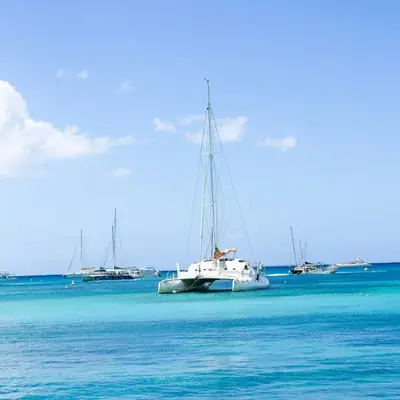
A week from Tortola: Norman, The Baths, Anegada, Jost Van Dyke
The British Virgin Islands are the easiest charter area in the Caribbean: the islands lie within sight of each other around the Sir Francis Drake Channel, the trade wind blows steadily and almost every anchorage has moorings. Legs take one to three hours, and only one day — to Anegada — takes you into open water. A loop of about 90 nm, and a good choice for a first Caribbean charter.
Day by day
Nanny Cay Marina
- Nanny Cay18.399, -64.633
Take over the yacht after 17:00 at Nanny Cay, half an hour from the airport on Beef Island. Do the big provisioning on Tortola: shops on the outer islands are small and expensive. The Sir Francis Drake Channel starts right outside the marina breakwater.
Nanny Cay → Norman Island
- Norman Island18.319, -64.618
A short first leg across the channel to The Bight on Norman Island — by local legend the island behind Stevenson's Treasure Island. On the way, snorkel the caves at Treasure Point and the Indians rocks. The night is on a mooring in The Bight, one of the most sheltered bays in the islands.
Norman → Cooper Island
- Salt Island (RMS Rhone)18.365, -64.534
- Cooper Island18.385, -64.512
East up the channel past Peter Island. Midday, a stop at Salt Island over the Rhone, a Royal Mail steamer sunk in the hurricane of 1867 and one of the best wrecks in the Caribbean for a mask and snorkel. The night is on a mooring in Manchioneel Bay off Cooper Island, with a beach and a bar ashore.
Cooper → The Baths → North Sound
- The Baths18.429, -64.444
- North Sound18.496, -64.390
Be at The Baths by eight in the morning, ahead of the day boats: later on a free mooring is rare. House-sized granite boulders, sea pools between them and a trail through the rocks to Devil's Bay. After lunch, round the top of Virgin Gorda into the enclosed North Sound.
North Sound → Anegada
- Anegada18.727, -64.390
If the sea is settled, the one passage out of sight of land: north to Anegada, the only coral island in the group, flat as a chart. Enter through the reef by the marked channel in daylight, with the sun high enough to see the bottom. Anegada is famous for its lobster, grilled right on the beach.
Anegada → Jost Van Dyke
- Jost Van Dyke18.444, -64.751
The longest day of the week: five hours west with the trade wind behind you and Tortola's north shore to port. Great Harbour on Jost Van Dyke is a strip of sand and a few bars, the famous Foxy's among them; White Bay is a dinghy ride away.
Jost Van Dyke → Nanny Cay
- Nanny Cay18.399, -64.633
A last swim at Sandy Cay, then two hours south through the Thatch Island cut and along Tortola to Nanny Cay: fuel and handover. A night aboard in the marina, flight home the next day.
Coordinates are approximate, for the harbour or bay. Paste them into Google Maps or a chartplotter, and check the chart and pilot book before you moor or anchor.
Good to know
- Season: December to April, at its best from January to March. The trade wind blows from the east at 15–20 knots, and the 'Christmas winds' of December and January reach 25. June to November is hurricane season: boats are cheaper, but watch the forecast and read the insurance terms.
- Weather: Anegada is the route's only exposed anchorage. When the swell is up on the reef, swap it for Marina Cay and Trellis Bay and the loop stays inside the channel — about 75 nm with the same nights. Some fleets restrict Anegada, so check when you book. At The Baths, look for the flag on the beach each morning: red means no landing.
- Moorings: almost everywhere, and paid by the night. The national-park moorings at The Baths, the Rhone and the Indians are day-use only and need a National Parks Trust permit; the fleet usually arranges it, along with the BVI cruising fee. At The Baths dinghies can't land on the beach — tie up to the dinghy line and swim in.
- Border: Jost Van Dyke is a couple of miles from the US Virgin Islands, but you may not enter USVI waters without clearing customs. Logistics: Beef Island airport (EIS) is 15 km away, half an hour to Nanny Cay; there are no long-haul direct flights, so you connect through San Juan or Antigua.
When to go and what it costs in the Caribbean
Median € per berth per week from the agent's latest check, monohulls; each month's page has both boat types, a chart and boats departing that month.
Discounted boats in the Caribbean
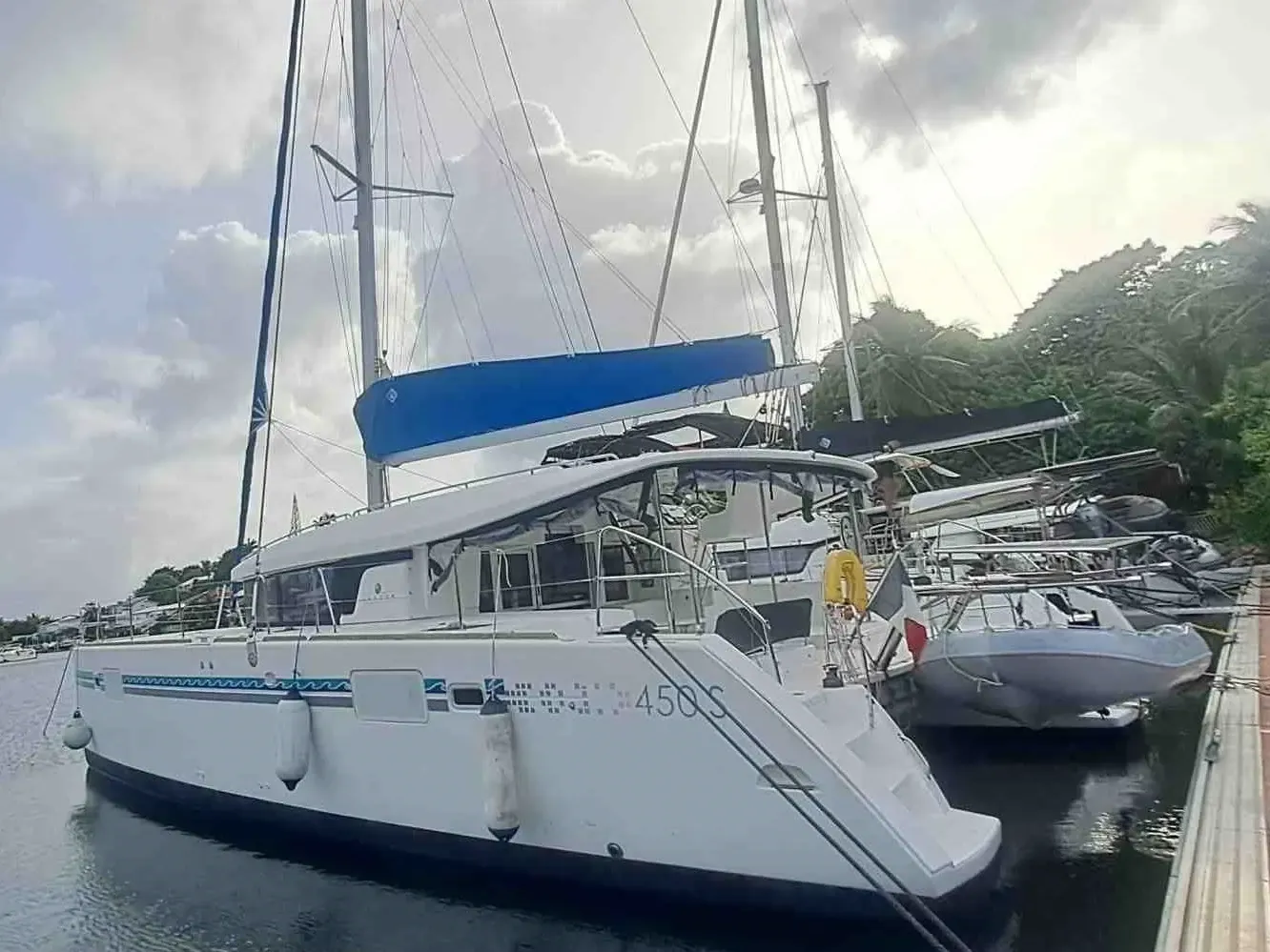
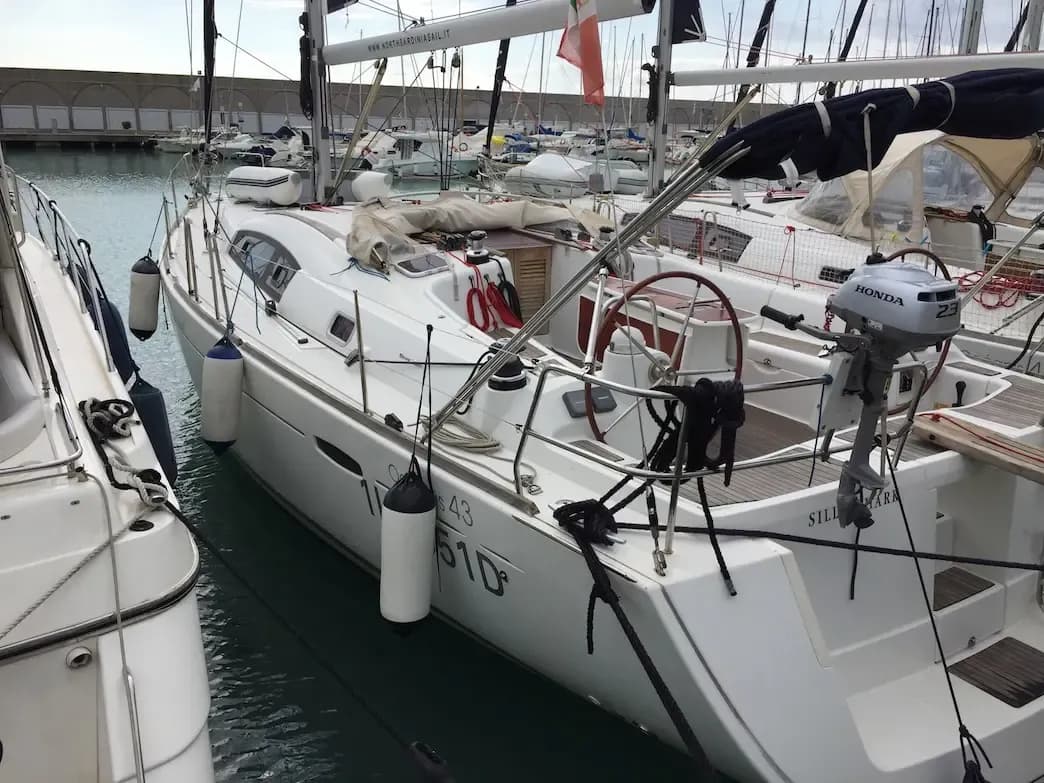
All boats in the Caribbean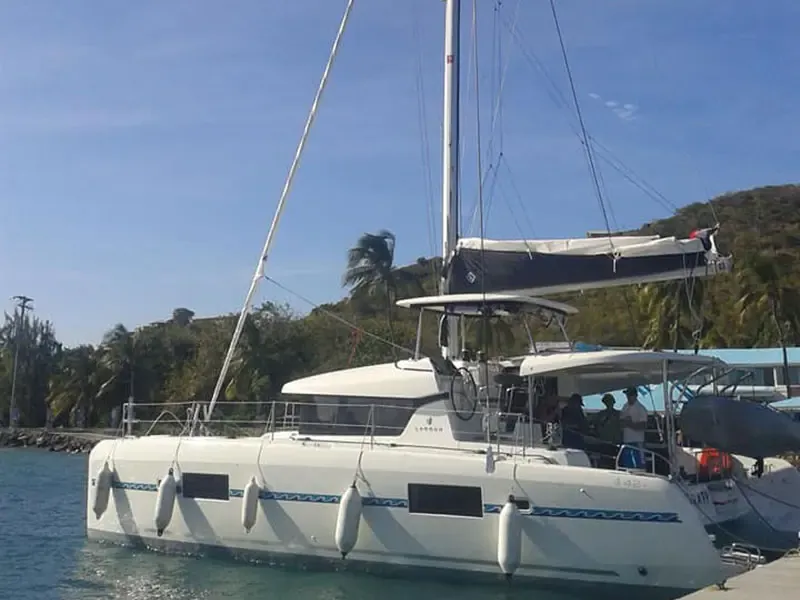
How long is the Tortola — Virgin Gorda route and where do you stay overnight?
7 days and about 90 nautical miles in a loop, starting and finishing in Tortola. Overnight stops in order: Nanny Cay, Norman Island, Cooper Island, North Sound, Anegada, Jost Van Dyke. The longest leg is day 6, 30 nm.
When is the best time to sail the Tortola — Virgin Gorda route?
The Caribbean season runs December to April: dry, with a steady 15–20-knot trade wind. The most expensive weeks are Christmas, New Year and February–March. June to November is hurricane season: boats are cheaper, the weather riskier; May is a transition month. The fleet is mostly catamarans, booked 4–8 months ahead. By the agent's latest checks (monohulls), the cheapest month is October: a median of €510 per berth per week. The most expensive is February, at ≈€778. The most boats with 20% off or more are in November: 11%. The agent checks the current month and the next five; each month has its own page with the numbers.
How much does a yacht for this route cost?
A whole boat in the Caribbean for a week starts from €1,790 in the agent's current selection: the cheapest discounted week departing in the next three months. Prices per berth by month are higher up the page; the boats are under “All boats in the Caribbean”.
Do I need a licence to charter a yacht?
For a bareboat charter (no skipper or crew provided), yes: a skipper's licence and, as a rule, a VHF radio certificate. Without a licence, we add a skipper, paid separately from the boat price.
What's included in the boat price?
Just the boat, for a week. Usually paid separately: transit log and final cleaning, fuel, marina fees, the security deposit (or deposit insurance), a skipper, cook and hostess if you need them, and extras (SUP board, on-board Wi-Fi, coffee machine, child safety netting).