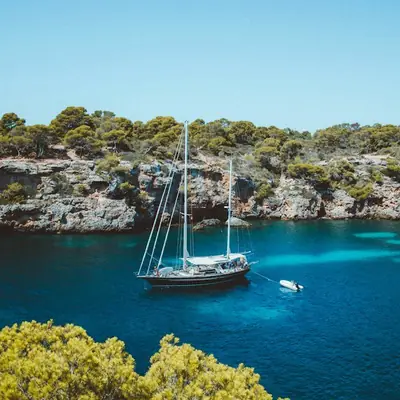
From Valencia to open sea: Columbretes and Formentera
To be honest from the start: this is a week of passages, not of coves. From Valencia the route heads out into open sea to the volcanic Columbretes islets, then 75 nm south to Formentera, two short days off its beaches, and back via Dénia. A triangle of about 225 nm: two passages of 55–75 nm with watches, two coastal days of 30–50 nm, the rest an hour or two. It suits a crew with long passages behind them, including families with teenagers who want a taste of real sea.
Day by day
La Marina de València
- Valencia39.460, -0.327
Boat handover after 17:00 in the old America's Cup harbour, fifteen minutes from the airport. Provision for two days without shops: there is nothing to buy on the Columbretes or on the first evening off Formentera.
Valencia → Columbretes
- Columbretes39.896, 0.686
The first passage, north-east into open sea on the morning breeze. The Columbretes are a cluster of volcanic islets with a lighthouse and a marine reserve; night on a buoy in the crater bay of Illa Grossa.
Columbretes → Espalmador
- Espalmador38.786, 1.422
The long day: a dawn start, two-hour watches and a log to keep; dolphins on the bow are more the rule than luck out here. By evening you anchor off Espalmador, from where you can wade across the shallows to Formentera.
Espalmador → Illetes
- Illetes (Formentera)38.759, 1.430
Hardly a passage at all: paddleboards, snorkels, the dinghy to Illetes beach and the water people cross half the sea for. In the evening, dinner in the cockpit and the Milky Way over the anchorage.
Illetes → Cala Saona
- Cala Saona38.697, 1.383
A short leg round the north of the island to Cala Saona on the west coast: sand, red cliffs and a sunset with Es Vedrà on the horizon. A good day to hand the helm to the youngest.
Cala Saona → Dénia
- Dénia38.844, 0.113
The crossing back to the mainland, eight to nine hours, with the Montgó mountain behind Dénia the first thing to rise out of the sea. Night in the marina, dinner in the old town below the castle.
Dénia → Valencia
- Valencia39.460, -0.327
A last passage north along the coast past Cullera, into Valencia by mid-afternoon. Refuelling, handover, night on board.
Coordinates are approximate, for the harbour or bay. Paste them into Google Maps or a chartplotter, and check the chart and pilot book before you moor or anchor.
Good to know
- Weather: the long passages are sailed only on a settled forecast. The Columbretes are the first thing to drop: in a strong north-easterly you sail straight to Dénia and cross to Formentera from there, a loop of about 110 nm with the same beach days. The route's season is June to September, and the best months are June, July and September.
- The Columbretes are a marine reserve: nights on the buoys in the Illa Grossa bay only, there are few of them, and the mooring permit is arranged in advance. Landing is allowed on Illa Grossa alone.
- Formentera: anchoring on Posidonia seagrass is banned, and off Illetes and Espalmador there are summer buoy fields booked online. Fuel and shops are scarce on this stretch — plan to refuel in Dénia or at La Savina harbour.
- Logistics: Valencia airport is ten kilometres from the marina, about fifteen minutes by taxi. Plan the watches for both long days in advance: on a 75 nm passage the helm is shared, not held by one person all day.
When to go and what it costs in Spain
Median € per berth per week from the agent's latest check, monohulls; each month's page has both boat types, a chart and boats departing that month.
Discounted boats in Spain
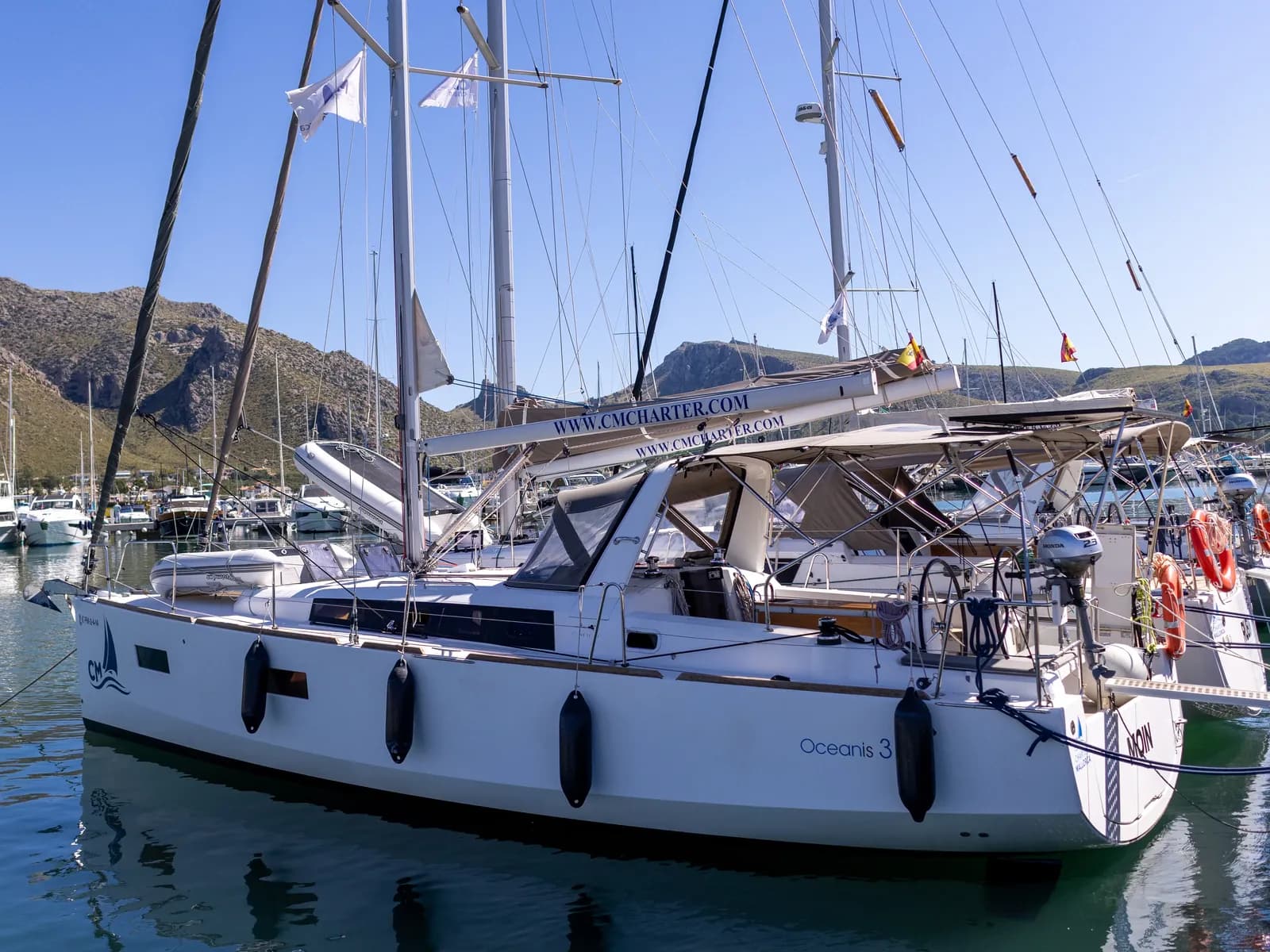
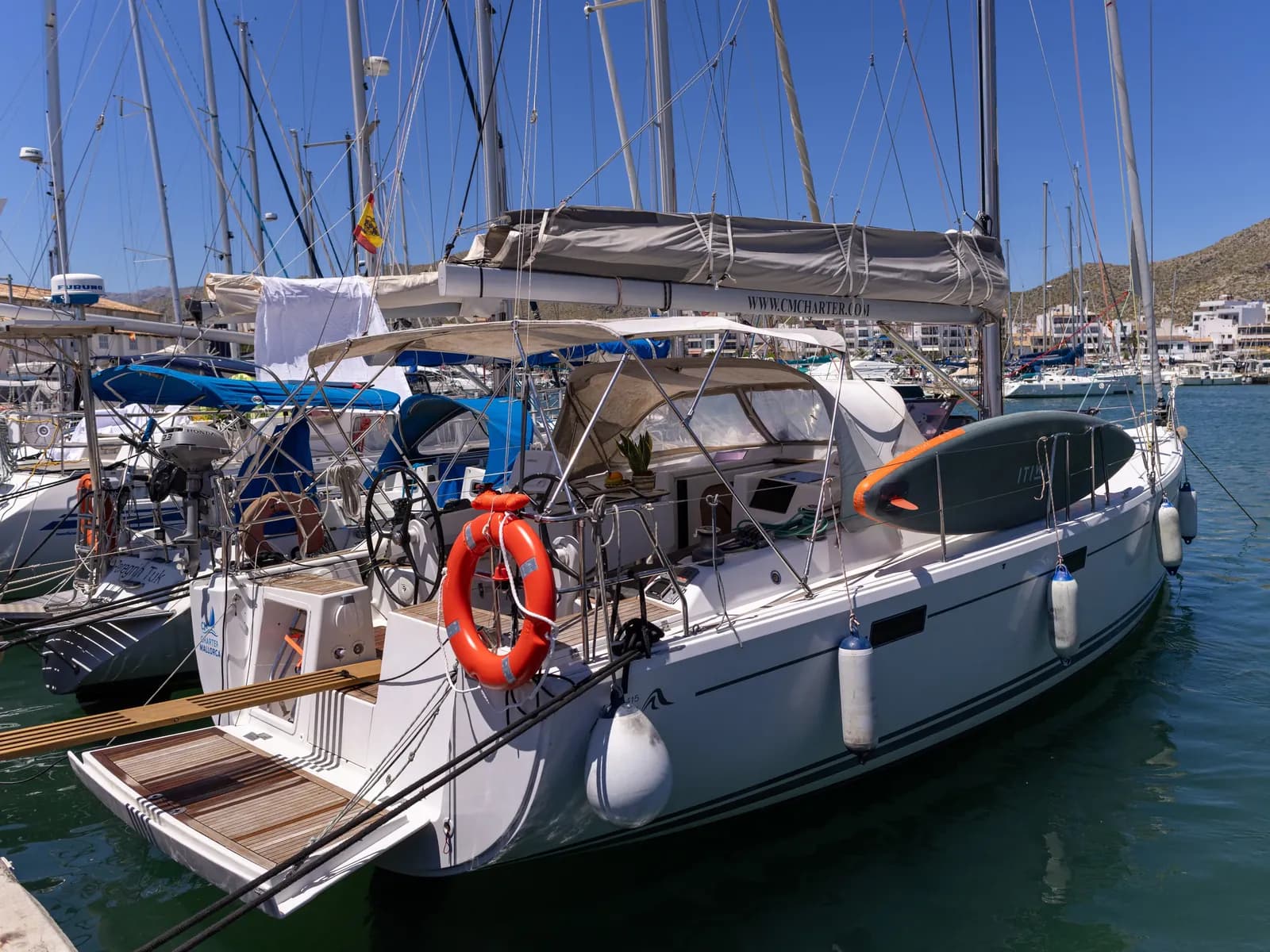
All boats in Spain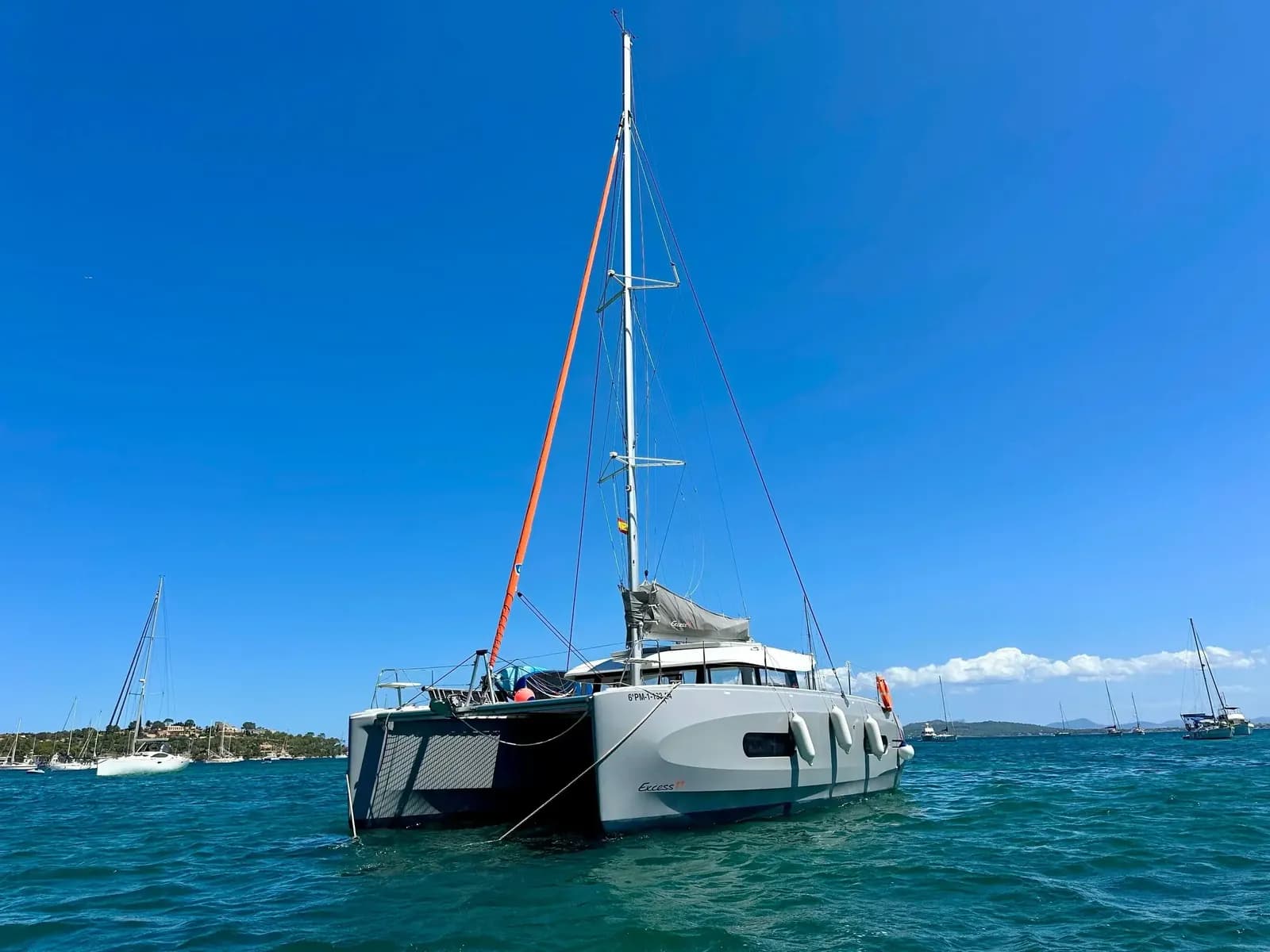
How long is the Valencia — Formentera route and where do you stay overnight?
7 days and about 225 nautical miles in a loop, starting and finishing in Valencia. Overnight stops in order: Valencia, Columbretes, Espalmador, Illetes (Formentera), Cala Saona, Dénia. The longest leg is day 3, 75 nm.
When is the best time to sail the Valencia — Formentera route?
In the Balearics the season runs May to October. July and August are the peak: marinas are expensive and full, so you anchor or pick up a buoy. June and September bring warm water and lower prices; May and October are the shoulder months. In winter people sail in the Canaries, a separate area. By the agent's latest checks (monohulls), the cheapest month is October: a median of €272 per berth per week. The most expensive is January, at €300. The most boats with 20% off or more are in October: 46%. The agent checks the current month and the next five; each month has its own page with the numbers.
How much does a yacht for this route cost?
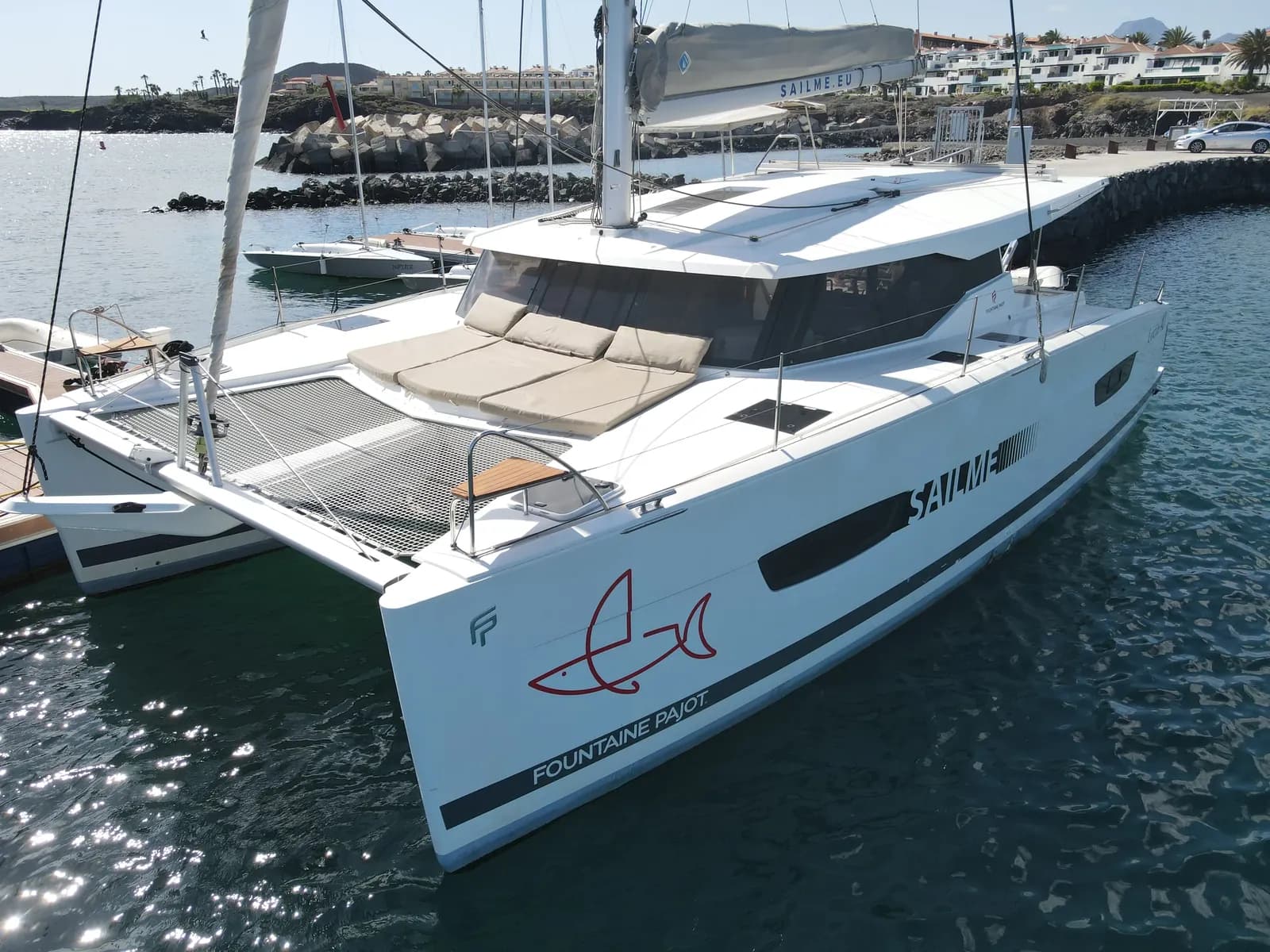
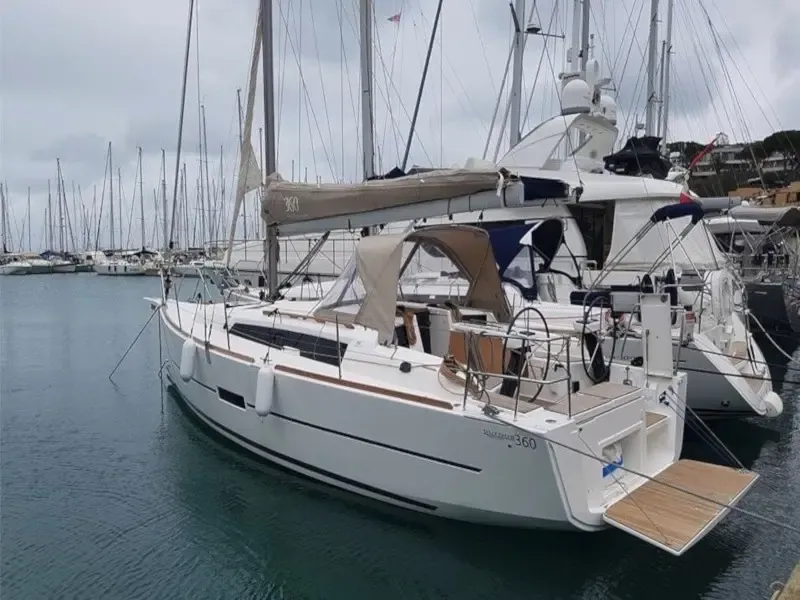
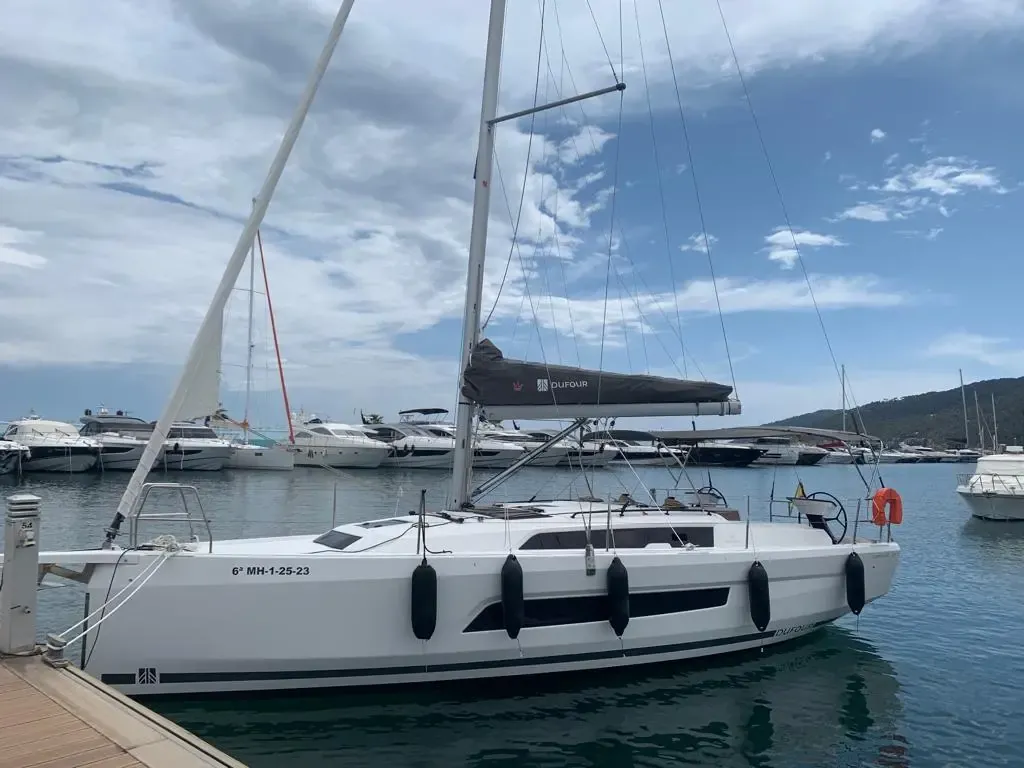
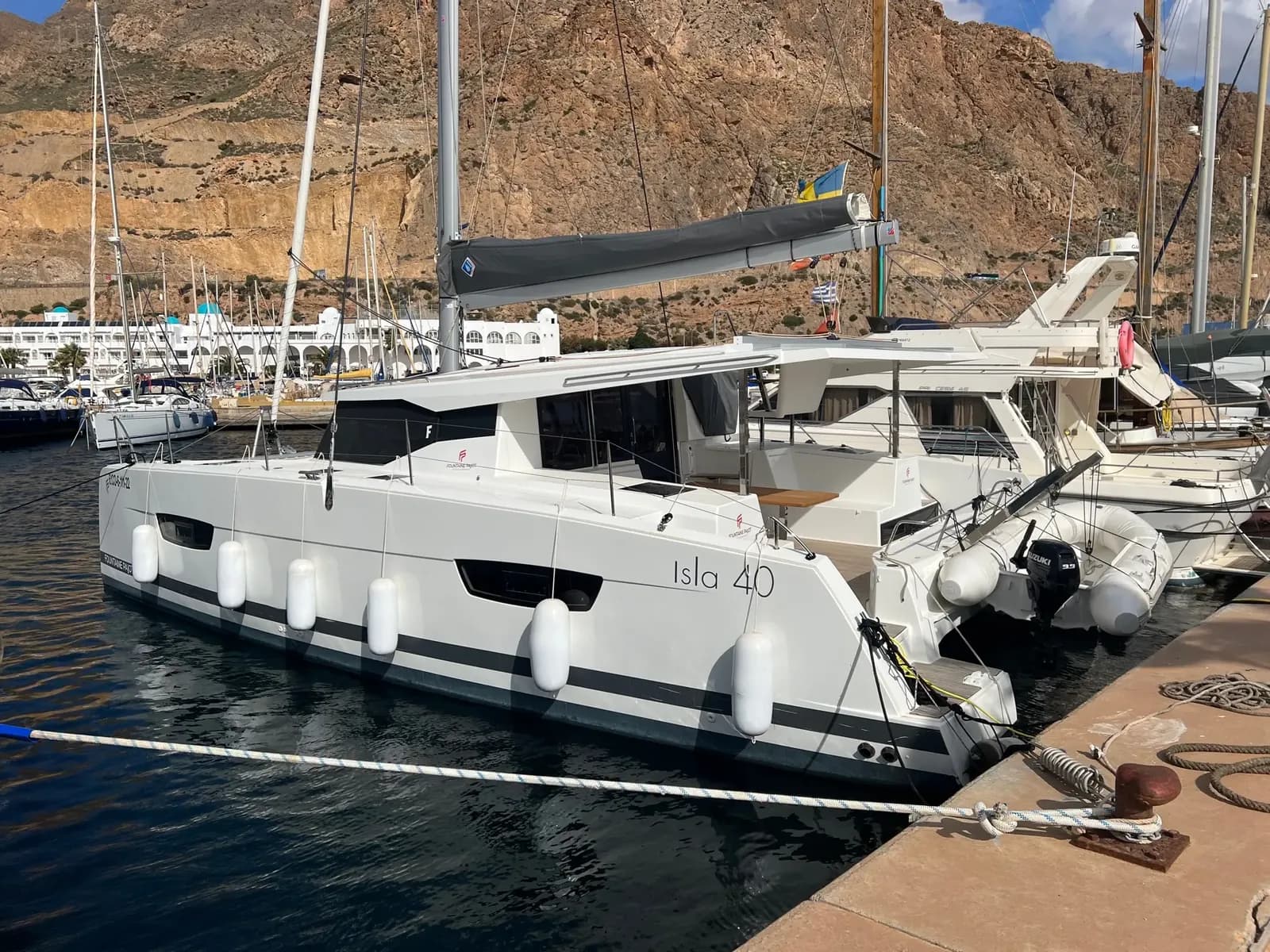
A whole boat in Spain for a week starts from €1,148 in the agent's current selection: the cheapest discounted week departing in the next three months. Prices per berth by month are higher up the page; the boats are under “All boats in Spain”.
Do I need a licence to charter a yacht?
For a bareboat charter (no skipper or crew provided), yes: a skipper's licence and, as a rule, a VHF radio certificate. Without a licence, we add a skipper, paid separately from the boat price.
What's included in the boat price?
Just the boat, for a week. Usually paid separately: transit log and final cleaning, fuel, marina fees, the security deposit (or deposit insurance), a skipper, cook and hostess if you need them, and extras (SUP board, on-board Wi-Fi, coffee machine, child safety netting).